Ground calcium carbonate is quoted against a specification, not a single market price. This guide breaks down what moves the calcium carbonate price per ton — CaCO3 content, fineness, whiteness, grinding cost, packing and delivery terms — and how to compare GCC offers on the same basis.
Ask three suppliers for the calcium carbonate price per ton and you may get three different numbers — all of them correct. Ground calcium carbonate (GCC) is not a single commodity with one market quotation; it is a family of products defined by fineness, chemistry and colour. Two offers that differ by a wide margin usually describe two different materials, or two different sets of delivery terms. This guide explains what actually moves the per-ton price of calcium carbonate powder, and how to compare offers so you pay for the properties your process needs and nothing more.
Why calcium carbonate has no single "price per ton"
GCC is produced by crushing and grinding natural limestone, marble or chalk, and every additional step between the quarry face and a saleable powder adds cost: finer grinding, tighter chemistry, higher whiteness, lower moisture and more protective packing. Because buyers in paper, paint, plastics, PVC and construction each specify different combinations of those properties, the industry quotes against a written specification rather than a list price. For a plain-language introduction to the material itself, see our guide to what ground calcium carbonate is.
The specification is the price
When a supplier quotes a ton price, that number is attached to a specification. The cost sits inside the specification, so aligning it is the first step of any comparison.
CaCO3 content and the impurity profile
Calcium carbonate content is the headline of the specification, but the impurities behind it decide the price. Silica, magnesium, iron and other minerals that arrive with the ore reduce the usable CaCO3 and can affect colour, hardness and reactivity. Reaching a high CaCO3 figure requires more selective ore and tighter beneficiation, so grades intended for demanding applications sit at a different price level from general-purpose fillers. The reliable check is the chemistry reported on the batch certificate of analysis, not the grade name on the quotation.
Particle size and mesh distribution
Fineness is one of the largest single cost drivers in GCC, because grinding finer takes more energy, more passes and more mill wear for the same tonnage. A product sold under a mesh number is really a size distribution, and a narrow, tightly controlled distribution is harder to hold than a broad one. Buyers should specify the top cut and the distribution they actually need: our mesh size guide explains how mesh numbers, microns and distributions relate, and our 1250 mesh calcium carbonate powder is an example of a fine grade sold against batch particle-size data rather than a nickname.
Whiteness, brightness and colour
In paints, coatings and paper, whiteness and brightness can matter as much as chemistry, because they influence how much expensive white pigment a formulator needs. High-brightness ore is scarcer and needs more careful sorting and processing, so whiteness often carries its own premium. Where colour is critical, ask for the measured value on the batch report instead of judging an unknown sample under unknown light.
Supply-side factors that move the offer
Beyond the specification, several production and logistics factors shift the per-ton figure between otherwise similar suppliers.
Ore source and processing route
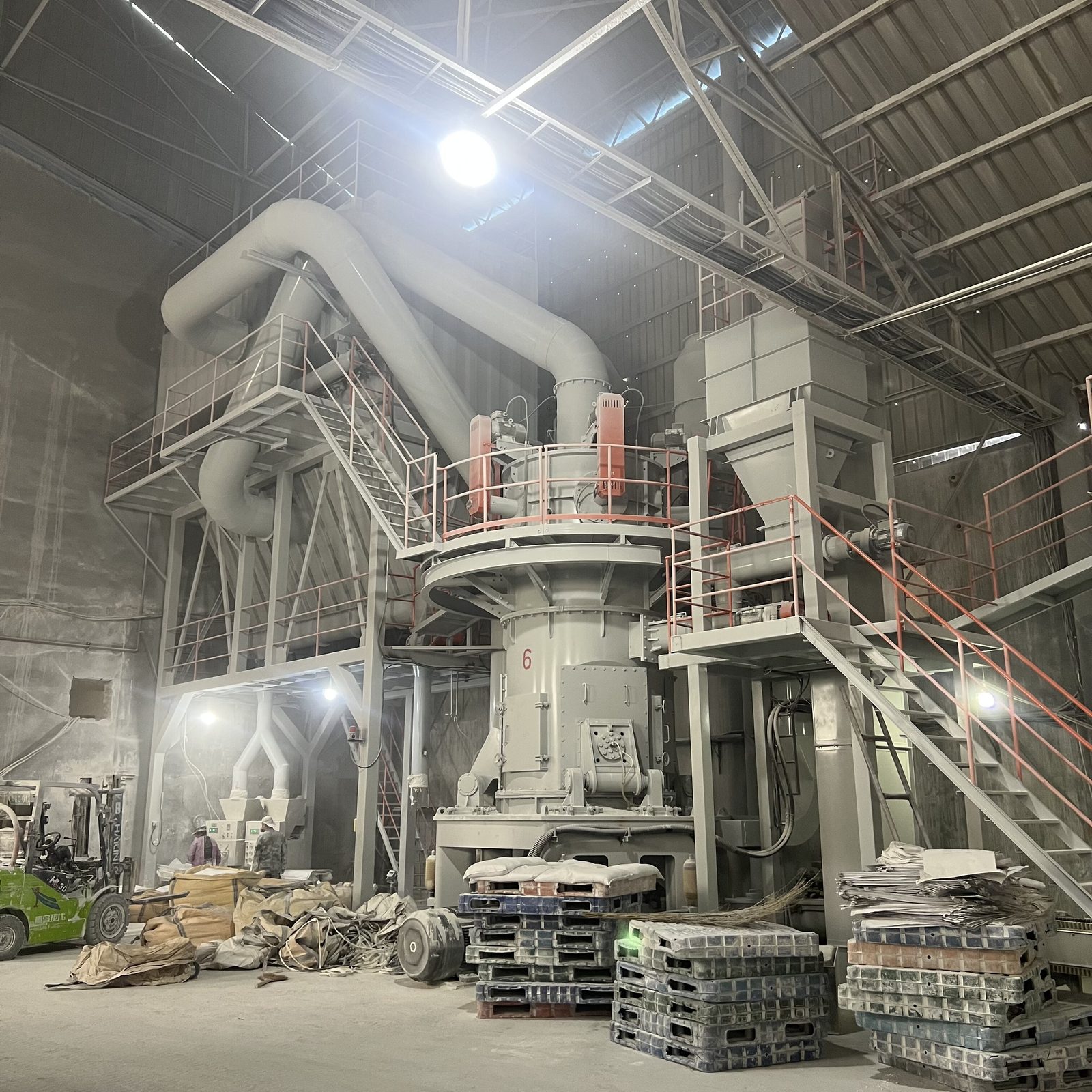
Limestone, marble and chalk differ in purity, whiteness and grindability, and run-of-mine quality varies with the deposit. Producers with consistent, well-characterised deposits can hold a specification at scale; more variable ore raises the cost of reaching the same result. Dry and wet grinding routes also differ in the fineness they can reach and in the energy they consume, and both differences show up in the offer.
Energy, grinding and yield
Grinding is energy-intensive, so energy prices feed directly into the price of fine GCC. Mill technology, the share of oversize that must be re-ground, and the yield of saleable product from the ore all affect the cost per ton. When energy or mill wear rises, offers follow with a lag; when they fall, offers ease. Two plants with different equipment can quote the same specification at different prices and both be running normally.
Form, packing and moisture
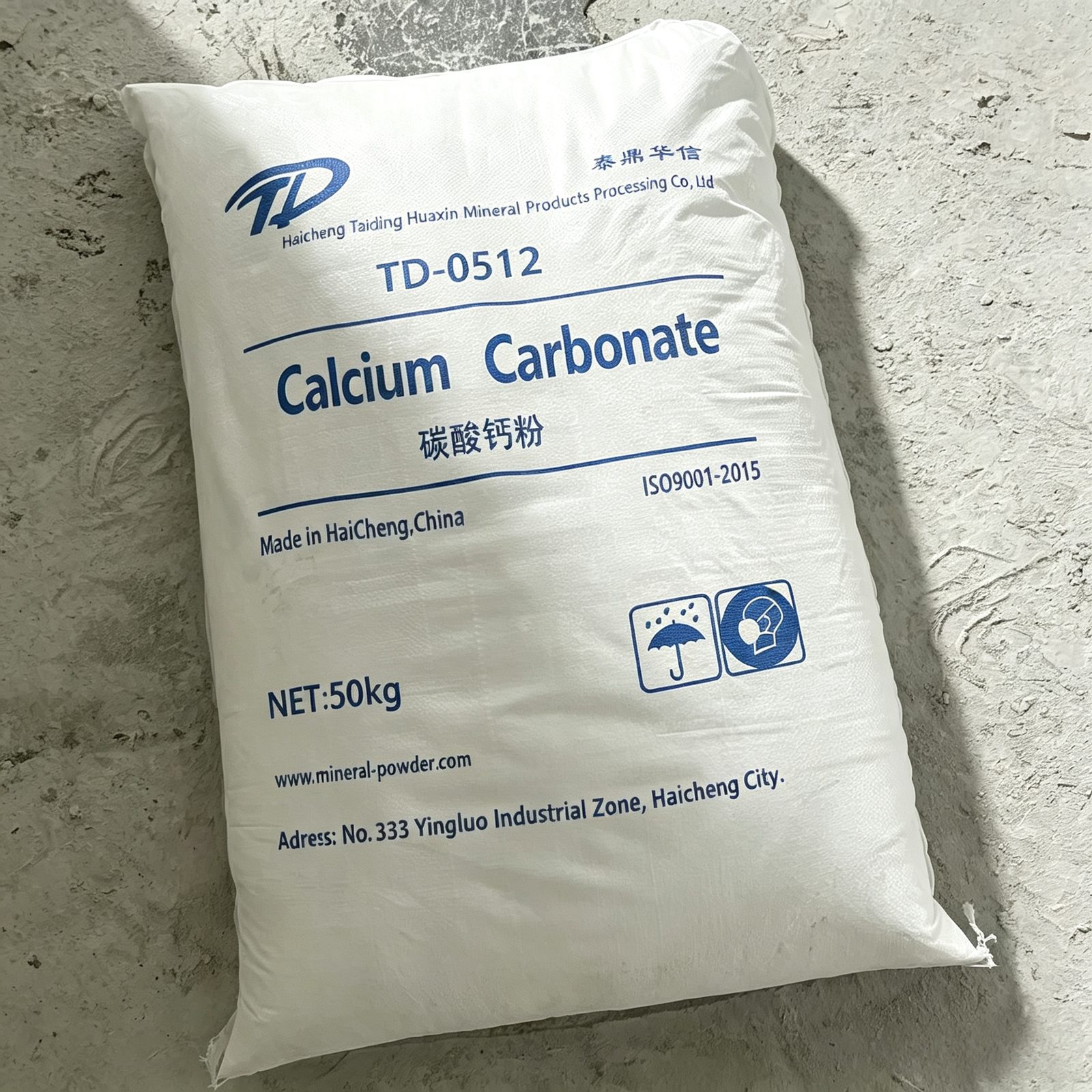
The physical form a buyer wants — bulk, 25 kg bags or jumbo bags — and whether the product must be dried, change the handling, drying and protection costs around the product. Moisture matters to anyone storing powder for months or shipping it through humid climates. Packing format changes the handling cost of the shipment, not the mineral itself, so it should be stated clearly and not mistaken for a product difference. Our heavy calcium carbonate powder page lists the standard form and packing options we quote on.
Factors that shape a calcium carbonate offer
The table below lists the factors we see moving a GCC offer. It deliberately contains no price figures: the same factor can shift the number by very different amounts depending on the specification it is quoted against, so a factor list is more useful to a buyer than a number that will not apply to your order.
| Factor | What you specify | Direction of the effect |
|---|---|---|
| CaCO3 content | Target CaCO3 and acceptable impurity limits | Higher content normally means a higher offer |
| Fineness (mesh) | Top cut and particle-size distribution | Finer grinding costs more energy per ton |
| Whiteness | Brightness target for your application | Higher whiteness usually carries a premium |
| Process route | Dry or wet ground, coated or uncoated | Additional treatment adds processing cost |
| Moisture | Maximum moisture you can accept | Drying to a low figure adds cost |
| Form and packing | Bulk, 25 kg bags or jumbo bags | Packing changes handling cost, not the mineral |
| Quantity | Container quantity and annual volume | Full containers and repeat volumes price better than trials |
| Delivery terms | FOB or CIF, and the destination port | Distance and mode are usually shown separately |
How to compare calcium carbonate quotes fairly
With the factors in mind, comparison becomes a matter of discipline:
- Normalise the specification. Put every offer side by side on CaCO3, top cut, distribution and whiteness before looking at the price column.
- Align the terms. Convert every quote to the same Incoterm and the same destination port, and account for packing differences, so you compare the material and not the logistics.
- Ask for the COA, not the brochure. A batch certificate is worth more than any product description. Our FAQ page covers the documents we supply with each shipment.
- Price the grade you need. Buying extra fineness or brightness you will not use is the most common way to overpay for calcium carbonate.
- Sample before you commit. Evaluate the first order against the same source and production batch you intend to buy long term.
Landed cost: Incoterm, volume and freight
The price per ton on a quotation is rarely the cost per ton at your plant. FOB and CIF offers are not directly comparable, inland transport to the loading port, container utilisation and the destination port all change the delivered figure. Powder that cannot fill a container's weight limit is expensive to move, so how tightly a shipment loads matters as much as the unit price. Buyers comparing offers across regions should build a short landed-cost comparison instead of comparing headline numbers. If you are still choosing between filler families, our GCC versus PCC guide explains where ground calcium carbonate fits, and the coatings and paint application page shows how the grade choice is made in practice.
What to confirm before you sign
Before placing an order, confirm in writing: the full specification and the test method behind each number, the sampling and inspection arrangement (including third-party inspection where you need it), the packing and Incoterm the price is based on, and what happens if a batch falls outside the agreed specification. Buyers who work through these points compare offers on equal terms and avoid the two classic mistakes — paying a premium for properties the process does not need, or buying the cheapest grade and losing the saving to rejects. If you would like a price per ton against your own specification, send us the CaCO3 target, fineness and whiteness you need: we quote calcium carbonate on your actual chemistry and particle size, with samples and batch-level COA as standard.