Dolomite powder MOQ is set per grade, specification and packing format — and dolomite's low unit value means container economics drive the minimum. How export buyers can plan samples, trial runs and a first container load of dolomite powder.
Almost every first enquiry for dolomite powder asks about the MOQ. Asking early is the right instinct, but the honest answer is that dolomite powder MOQ is not one published number — it is set per grade, per specification and per packing format. And compared with most other industrial minerals, one factor weighs more heavily for dolomite: the unit value of the material itself.
What the MOQ actually covers
For a mineral powder producer, the minimum order quantity is the smallest volume that can be produced, tested and packed as a proper commercial batch. For dolomite powder that covers three things at once:
- A production run for one grade. 200 mesh, 325 mesh, 800 mesh, 1200 mesh and 2000 mesh are separate milling campaigns, each with its own mill setup and quality-control checks.
- The specification attached to that grade. Our dolomite standard TDHX-Dolomite-2025-08 covers CaO 27–35%, MgO 22–30% and whiteness 80–95% across 200–2000 mesh — a grade is a chemistry-plus-fineness package, not a fineness alone.
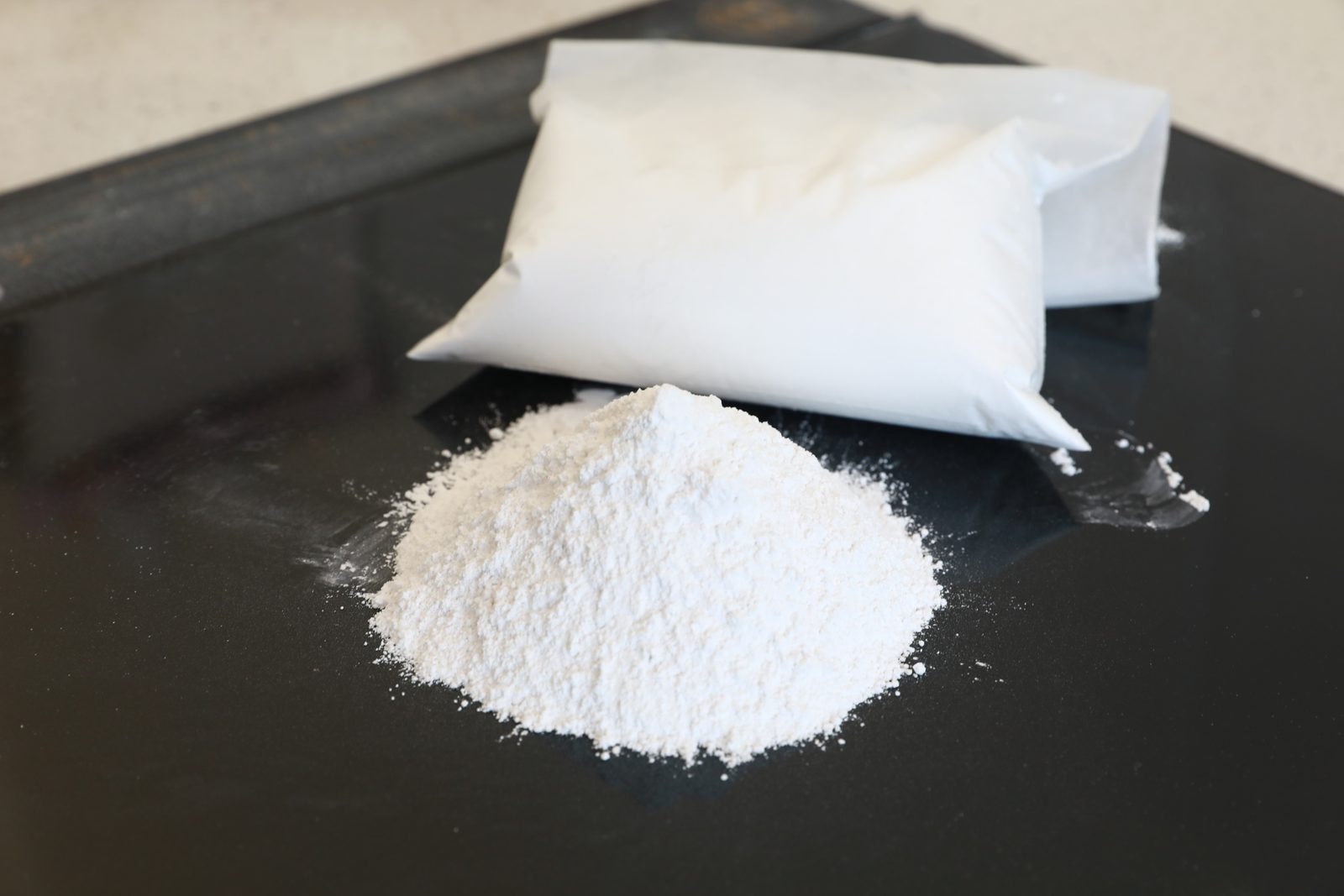
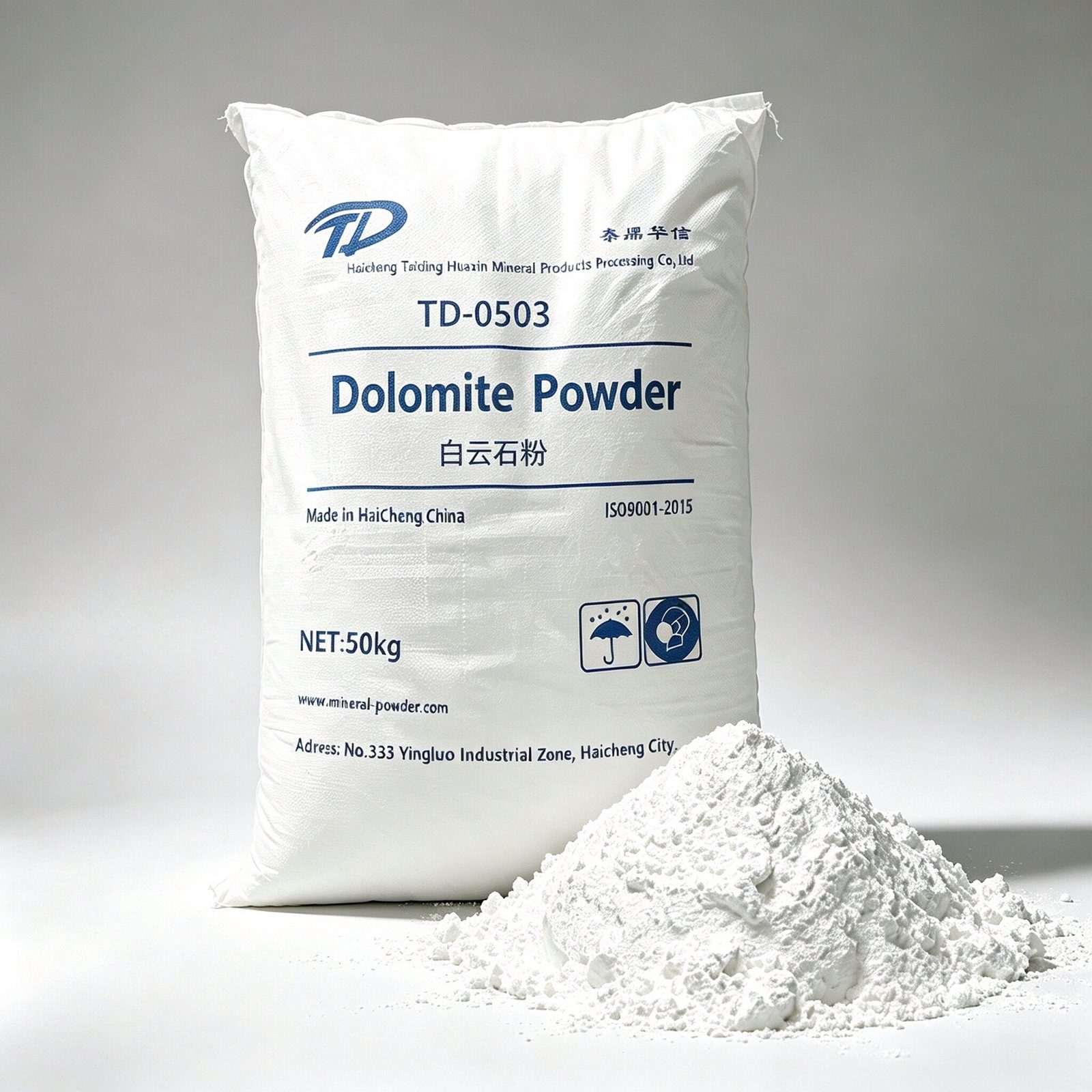
- The packing and the documentation. 25 kg and 50 kg bags or 1000 kg and 1250 kg jumbo bags, with a batch COA recording the actual values for the lot you receive.
Why container economics weigh more for dolomite
Dolomite is one of the most economical mineral fillers per tonne. That is good for your landed cost, but it changes the MOQ conversation: when the material itself is inexpensive, freight and handling take a larger share of the delivered cost. Splitting a small volume into an LCL consignment usually costs more per tonne than filling a container.
For most export orders the practical minimum is therefore one 20-ft container — roughly 25–27 tonnes depending on grade and packaging. That is the same starting point we quote across our powder lines; the exact tonnage is confirmed on the proforma invoice, because stowage varies with bag type and palletisation. Our packaging page lists the standard formats.
If you also buy talc, the mechanics described in our talc powder MOQ guide are similar. The difference is that talc carries a higher unit value, which gives trial quantities a little more room to be negotiated than dolomite usually allows.
How grade and specification move the minimum
Regularly produced grades are the flexible end
Grades the mill runs frequently have the most flexible minimums and the shortest lead times. Typical examples from our dolomite powder line: 200 mesh dolomite powder for soil correction and agriculture (see our soil pH guide), 600 mesh dolomite powder for glass batch (see the glass manufacturing application), and 1200 mesh dolomite powder for fine filler work. If your process accepts a standard fineness, starting there normally gives you the easiest first-order terms.
Custom CaO/MgO targets need a trial run
When your target CaO/MgO ratio or whiteness sits inside the standard band, we can normally match a regularly produced grade. If it sits outside the band, or you need tighter impurity limits, the order needs its own campaign: production planning, first-off testing and a dedicated QC record. A trial-run grade carries a higher practical minimum than a standard grade, so state the target values and the application in your inquiry and let us check the production plan before quoting — rather than accepting a generic MOQ that has to be renegotiated later.
A workable path from sample to first container
- Define the application and the target specification: fineness, CaO/MgO, whiteness and impurity limits.
- Request a free sample (typically 0.5–1 kg) taken from a current production lot, with that lot's COA and lot number.
- Evaluate in your laboratory and write the agreed values into a specification.
- Take a first container as the trial order, then check the batch COA against your sample results on arrival.
- Scale to further container loads or a phased delivery schedule once the first arrival checks out.
What to confirm in writing before you order
- Grade and mesh with the sizing tolerance, against our dolomite powder guide.
- CaO, MgO, impurity limits and whiteness.
- Packing format and palletisation (see the standard options on our packaging page).
- The actual tonnage per container as shown on the proforma invoice.
- Lead time — 7–15 days after the specification and packaging artwork are confirmed.
- Port of loading (Dalian or Yingkou) and payment terms (T/T or L/C at sight).
Send your target specification, quantity and destination port through our contact page. We will quote the MOQ for the grade you are most likely to buy long-term, with a TDS and a free sample — not a generic number that has to be renegotiated later.