Where feed-grade magnesium oxide fits in animal nutrition, how reactive and dead-burned grades differ, and which specifications, documents and logistics details to confirm before ordering bulk MgO from China.
Feed-grade magnesium oxide arrives in bags that look almost identical to refractory-grade material, yet the two products are made for very different jobs. Buyers who specify magnesium oxide for animal nutrition need to control burn degree, reactivity and impurity profile in the contract, because these are exactly the properties a generic “magnesium oxide 90%” quotation leaves undefined. This guide explains where magnesium oxide fits in feed formulations, how to separate reactive from dead-burned material, which specifications to fix in writing, and what to check before a bulk order ships from China.
Why Animal Feed Needs a Concentrated Magnesium Source
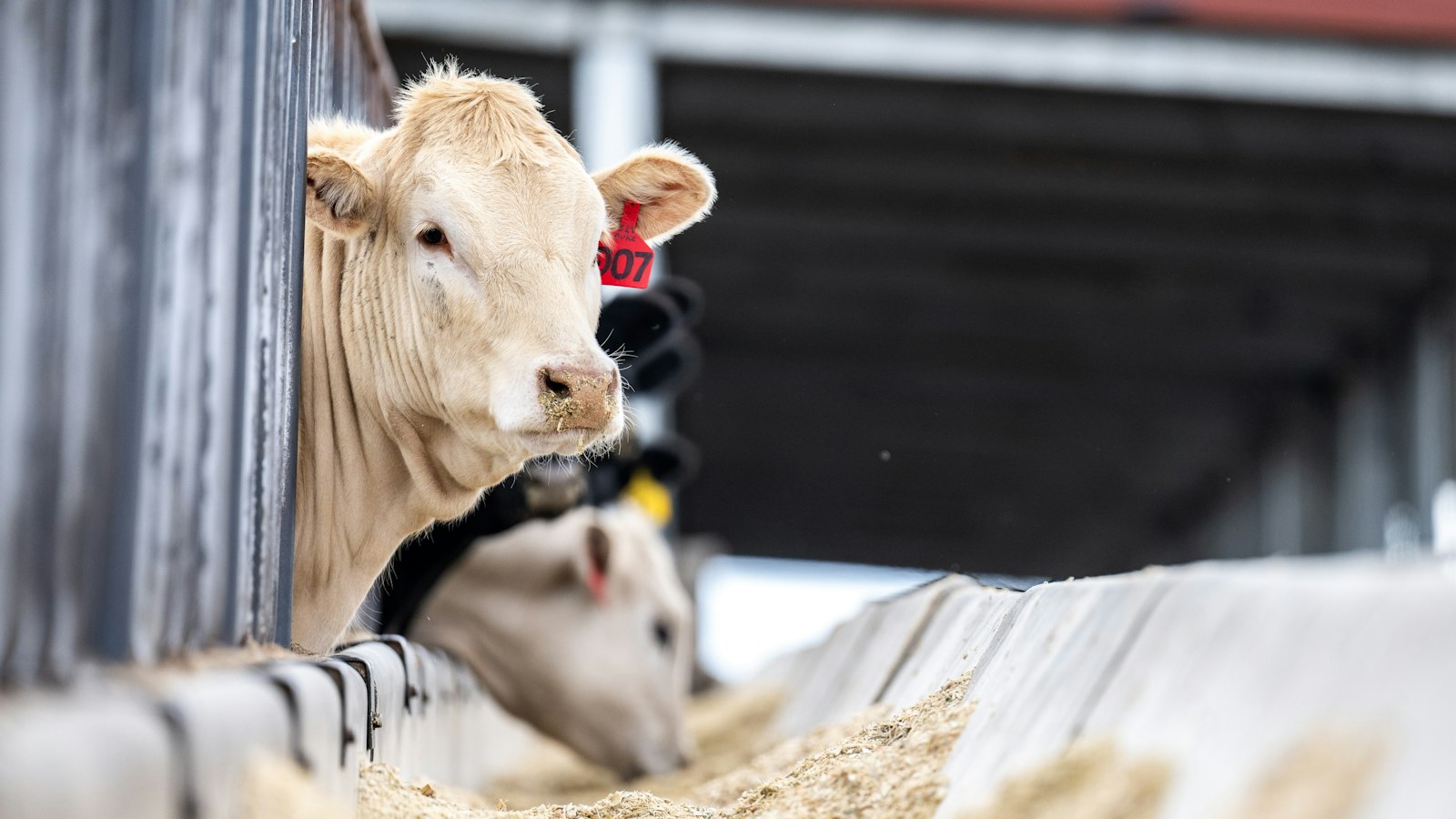
Magnesium is an essential mineral for livestock: it supports enzyme systems, nerve function and muscle regulation, and animals keep only small reserves of it. For ruminants in particular — dairy cows, beef cattle, sheep and goats — the dietary supply of available magnesium matters most during early lactation and on rapidly growing pasture, where forage can be low in magnesium the animal can actually absorb. Feed manufacturers and premixers therefore add a concentrated inorganic magnesium source to the ration rather than relying on forage alone.
Magnesium oxide (MgO) is the source most feed formulators reach for. It carries one of the highest magnesium concentrations among the common inorganic sources, it is stable in storage, it mixes cleanly into premixes and mineral supplements, and it is economical at commercial scale. That combination of concentration, stability and cost is why magnesium oxide appears in dairy, beef, poultry and small-ruminant formulations worldwide. Where the magnesium goes is a nutrition question; how it is specified is a sourcing question, and that is where buyers add or lose value.
Magnesium oxide versus magnesium sulfate
The other magnesium source buyers usually compare is magnesium sulfate heptahydrate, often alongside its monohydrate form. The two materials are complementary rather than competing. Magnesium oxide delivers magnesium at high concentration with low solubility, which suits slow, steady supplementation in the rumen; magnesium sulfate supplies magnesium together with sulfur and dissolves readily, which suits applications where both elements are wanted or where high solubility is the priority. Many feed businesses stock both and let the formulation decide. Our agriculture and feed application page outlines how the two product groups divide the work.
Reactive or Dead-Burned: Why Burn Degree Decides the Grade
All magnesium oxide starts the same way: magnesite or another magnesium-rich raw material is calcined, driving off CO2 and leaving MgO behind. What separates the grades is how hard they were fired. Light-burned, also called caustic-calcined magnesia (CCM), is calcined at comparatively low temperatures, leaving a fine crystalline structure with high reactivity. Dead-burned and fused magnesia are fired or electrically smelted at very high temperatures to produce dense, low-reactivity crystals engineered for refractory linings, not for animal nutrition.
The practical sourcing point is straightforward: feed applications belong with reactive, light-burned grades, and refractory grades do not belong in the feed chain. A quotation that says only “magnesium oxide 90%” does not tell you which one you are buying. Our caustic-calcined magnesia product page describes the reactive grade we produce for chemical, agricultural and environmental uses, and our article on light burned magnesia explains why reactivity is the property that separates applications. For contrast, dead burned magnesia is specified for density and slag resistance in furnaces — properties that are irrelevant, and wrongly priced, for feed.
Specifications to fix in writing
Because there is no single universal feed-grade standard, the specification you and the supplier agree on becomes the standard. A workable written specification for feed-grade magnesium oxide normally covers:
- MgO content and tolerance. Magnesium product lines commonly span roughly 85–99% MgO depending on grade; agree the value and the permitted deviation per batch.
- Impurity ceilings. Limits for CaO, SiO2, Fe2O3 and Al2O3, plus any additional elements your destination market's feed regulations require you to control.
- Fineness. Mesh or particle-size distribution, which governs how the powder disperses through the premix; our mesh size guide explains how mesh numbers translate into particle size.
- Reactivity. An agreed activity measure and test method, so batches can be compared like for like.
- Moisture and bulk density. Both affect handling, flow and bag filling.
This “agree the properties, agree the values” structure is not informal — it is how magnesium oxide specifications are written even inside established standards. ISO 21869:2022, which specifies test methods for magnesium oxide, states plainly that the choice of the properties to be determined and the values required are subject to agreement between the parties; the passage is quoted verbatim in the sources section below. For feed buyers the practical translation is: define the specification with your supplier, then hold every batch against it.
Documentation and Checks Before the Order
Magnesium oxide for feed sits at the intersection of mineral sourcing and feed-safety regulation, and the document set is where careful buyers protect themselves. Before issuing a purchase order:
- Ask for a batch COA covering MgO content, impurities, moisture and fineness, and check it against your written specification rather than against marketing copy.
- Test a sample first. We ship free 0.5–1 kg samples so the material can be verified in your own formulation before you commit to a container; our guide on choosing a mineral powder grade walks through this process.
- Arrange third-party inspection if your market requires it. SGS or equivalent inspection can be booked against the agreed specification.
- Confirm the destination-market paperwork. Feed ingredient registration and import requirements differ by country, and your importer of record or nutritionist should confirm which certificates the shipment must carry.
If you are evaluating a new Chinese supplier, the checklist in our article on verifying a supplier's COA applies directly to feed-grade magnesium oxide: consistent batch data over several shipments is worth more than a single impressive certificate.
Packing, Loading and Shipping from China
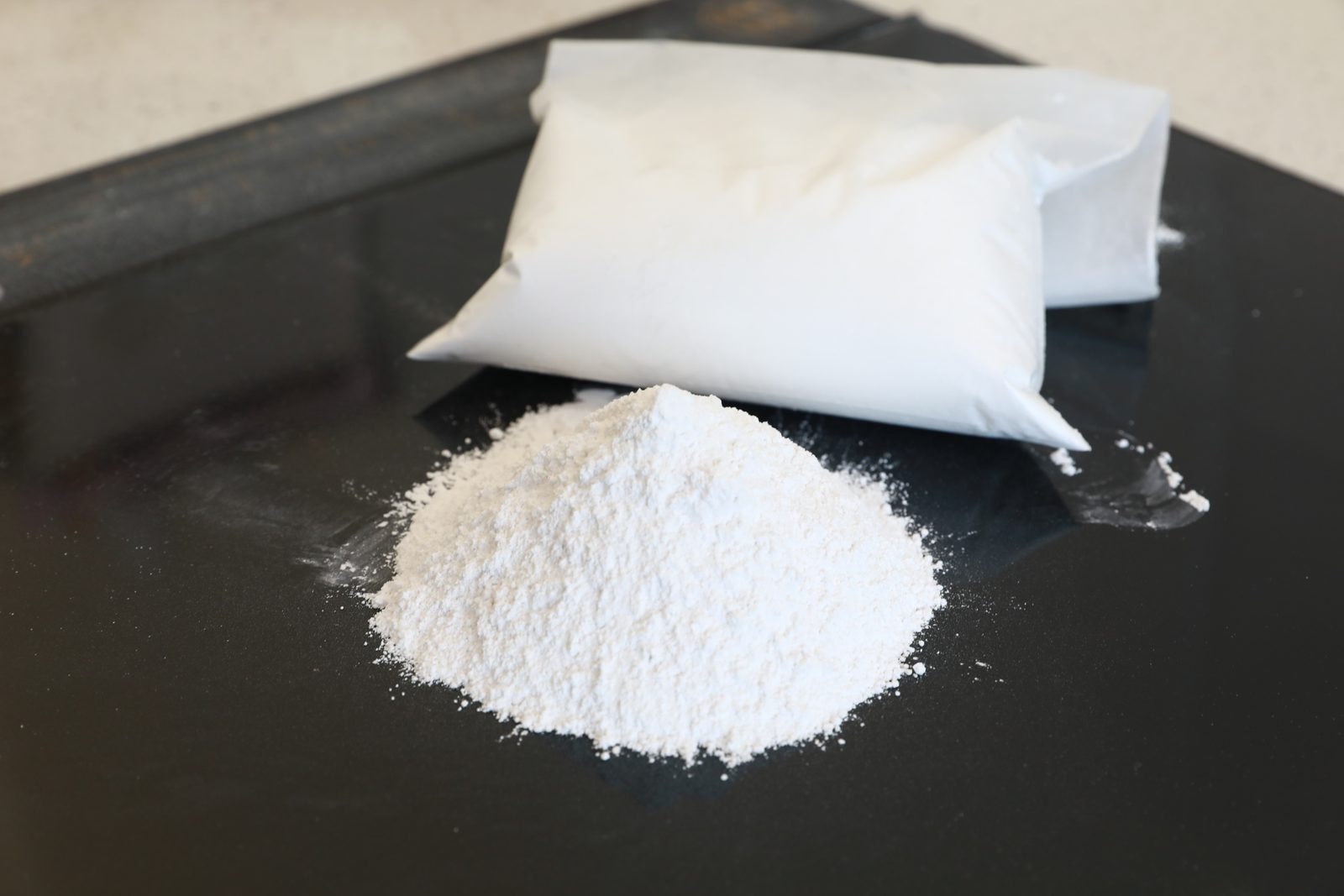
Feed-grade magnesium oxide ships in the same export formats as our other mineral powders: 25 kg and 50 kg bags, or 1000 kg and 1250 kg jumbo bags, with palletisation and moisture protection agreed before the proforma invoice is issued. A 20-ft container loads roughly 25–27 tonnes depending on the grade and packaging. Trial orders from one container upward are accepted, samples are free of charge, and production for confirmed orders typically runs 7–15 days, with shipment through the ports of Dalian or Yingkou in Liaoning province.
If your formulation also needs a soluble magnesium co-product, magnesium sulfate monohydrate and the heptahydrate grade can be planned into the same container cycle, keeping freight and documentation on one schedule.
Send us the specification you need — MgO content, impurity limits, fineness and packing — and we will reply with a quotation, a batch COA and a free sample, so the material is judged on data before the first container moves.