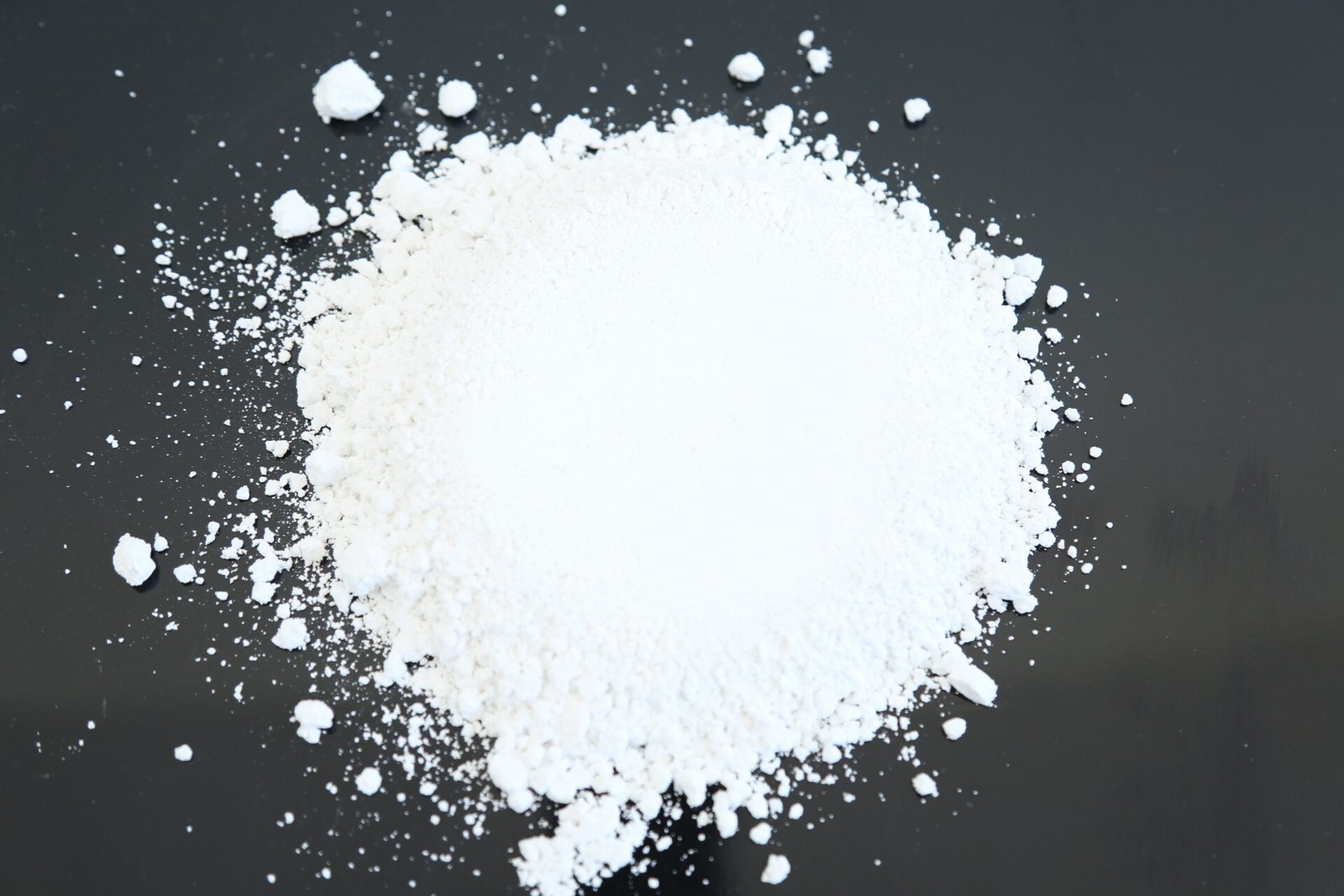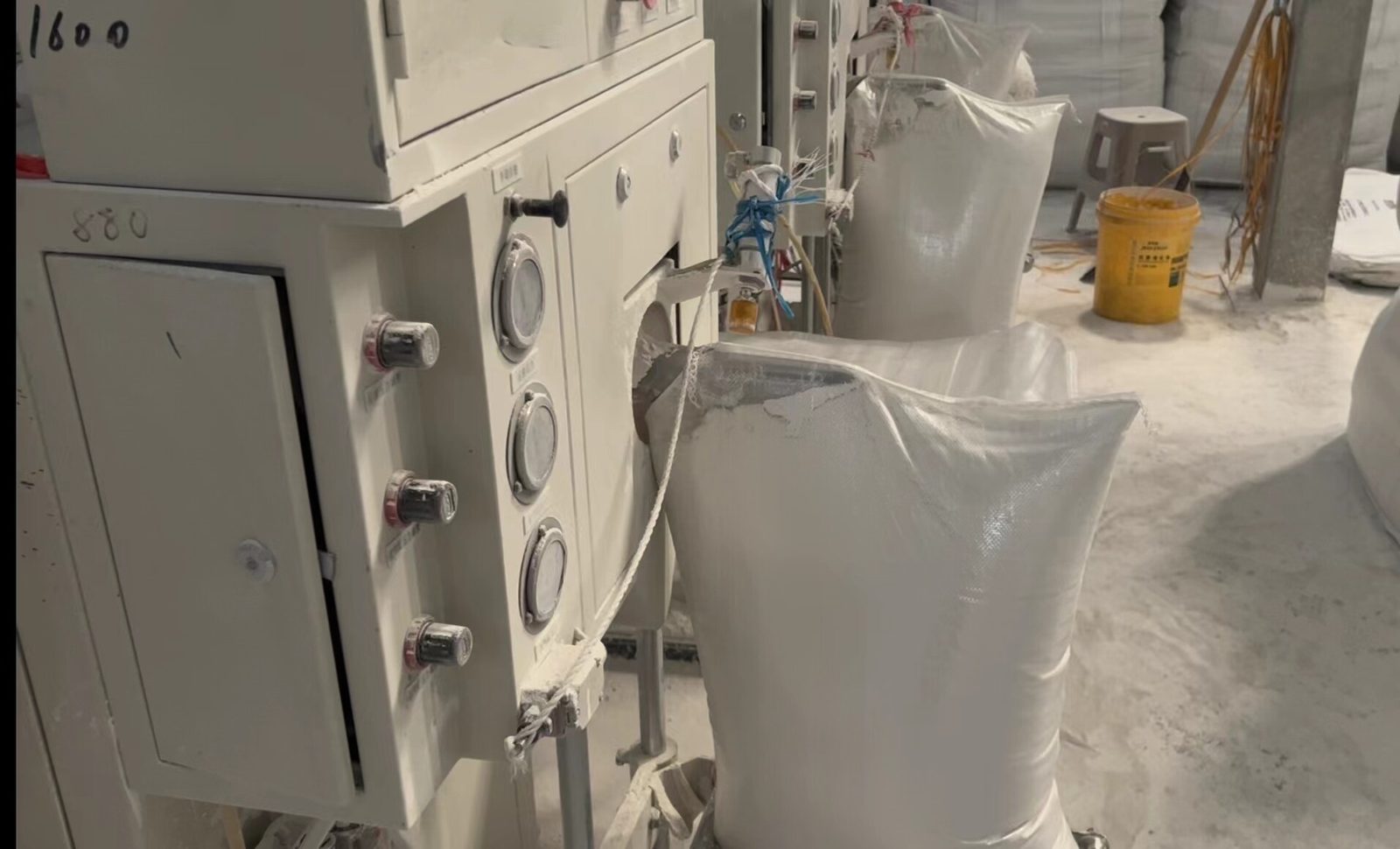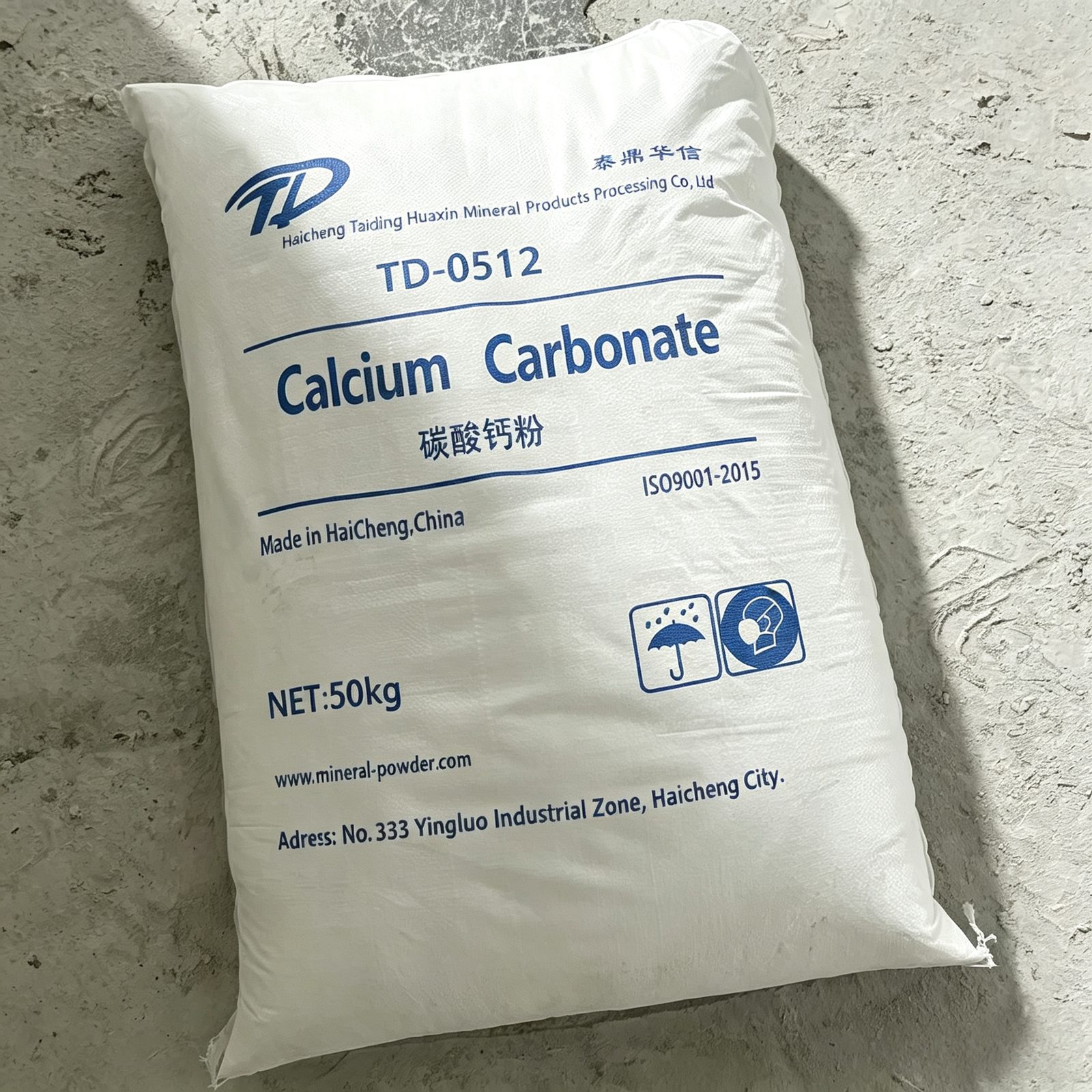
Talc powder exports under HS 2526.20, crushed or powdered natural steatite. This guide explains the six-digit code, China's ten-digit talc lines, when talc classifies elsewhere, and the export licence required from 2026.
Sooner or later every enquiry for Chinese talc powder reaches the same paperwork question: which HS code goes on the invoice, the packing list and the customs declaration. The answer is worth getting right, because the code drives duty treatment, trade statistics and, on the Chinese side, which export control documents the shipment needs. A consignment declared under the wrong code can be held for reclassification at either port. This guide sets out the correct code, explains how China's national tariff lines divide talc powder, lists the cases where talc stops being classified as talc, and summarises the export licence regime that applies from 2026.
The short answer: HS 2526.20 for crushed or powdered talc
Talc is classified in Chapter 25 of the Harmonized System under heading 2526, whose official title reads: “Natural steatite; whether or not roughly trimmed or merely cut, by sawing or otherwise, into blocks or slabs of a rectangular (including square) shape; talc”. Within the heading, the six-digit subheadings split the material by physical form:
- 2526.10 — natural steatite and talc that has not been crushed or powdered, in other words blocks and slabs;
- 2526.20 — natural steatite and talc that has been crushed or powdered.
Every talc powder, from a coarse 325 mesh grade to a micronized filler, therefore declares under 2526.20. The six-digit subheading is standardised internationally under the WCO-administered Harmonized System, so the same six digits describe the container at the Chinese port of loading and at its port of arrival. What differs beyond the sixth digit is national: each customs territory adds its own digits for duty and statistical purposes, which is where most buyer-side confusion begins. You can see how the powder grades map onto that structure in our talc powder product line.
How China's ten-digit lines divide talc powder
China's tariff schedule breaks heading 2526 into four national lines that matter in the talc trade:
- 2526102000 — talc not crushed and not ground, whether or not roughly trimmed or merely cut into rectangular blocks (lump talc);
- 2526202001 — talc powder of which, by volume, 90% or more consists of particles no larger than 18 µm;
- 2526202090 — other natural talc, crushed or powdered;
- 3824999100 — mixtures containing 50% or more talc by weight.
Which line a given grade falls on
The boundary between 2526202001 and 2526202090 is the particle size distribution, not the grade name. The 18 µm threshold refers to the volume share of the measured distribution, so the declaration should follow the laboratory result rather than the nominal mesh designation. If your specification sits anywhere near that boundary, ask the supplier to report the measured distribution on the certificate of analysis — the same measurement that decides whether a 1250 mesh talc powder or an ultra-fine 2000 mesh grade is described accurately on the declaration. Our guide to choosing the right mesh size explains how those distributions are read.
Mixtures and further-processed powders
Blends in which talc accounts for 50% or more of the weight move to the 3824 line above, and grades that have been coated or surface-modified to suit one specific polymer system may also leave the heading, for the same reason the chapter notes give. Neither case is unusual in plastics or paint work, so it is worth agreeing in writing which line applies before the commercial invoice is issued.
When talc stops being classified as talc
Chapter 25 limits the processing that keeps a mineral inside the chapter: washing, crushing, grinding, powdering, levigating, sifting, screening and concentration by flotation or magnetic separation all preserve the natural character, while roasting, calcining, mixing or processing beyond that takes the product out of the chapter. The notes also allow an added anti-dusting agent, provided it does not make the product particularly suitable for one specific use rather than for general use.
Three crossings matter in practice:
- Cosmetic powders. Talc put up for retail sale as a cosmetic leaves Chapter 25 for heading 3304, whose powder subheading 3304.91 covers “powders, whether or not compressed”. Bulk industrial talc powder does not go there.
- Calcined talc. Heat treatment is outside the Chapter 25 processing list, so calcined grades must not be declared under 2526.20; the correct line depends on the product and should be confirmed with a licensed customs broker.
- Talc-rich mixtures. As above, blends at or above the 50% talc threshold follow the 3824 line rather than 2526.
The export licence behind every talc shipment
Talc, lump and powder alike, is subject to export licence management in China. The current legal basis is the Catalogue of Goods Subject to Export Licence Administration for 2026, issued by the Ministry of Commerce and the General Administration of Customs in Announcement No. 89 of 2025 and effective from 1 January 2026. The announcement lists 43 categories of goods that require an export licence, and talc appears among them under the item “talc lump (powder)”, covering the lines 2526102000, 2526202001, 2526202090 and 3824999100 described above.
Traders exporting listed goods must obtain an export licence from the Ministry of Commerce or the provincial commerce departments it entrusts, and clear customs against it. The designated-port provision in the same announcement names magnesia, rare earths and antimony products; talc is not among them.
For a buyer, three practical consequences follow:
- The licence is the exporter's obligation, but it should still appear in your document planning: a letter of credit that demands documents which do not exist is a dispute waiting to happen.
- Licence application sits on top of normal booking, inspection and documentation, so confirm the shipping window with the supplier rather than assuming a bare production lead time.
- The description on the licence, invoice, packing list and certificate of analysis should tell one consistent story about the goods.
What else belongs in that document set is covered in our guide to COA requirements for mineral powder shipments.
What to state on the enquiry, PO and letter of credit
- Name the six-digit code 2526.20 and ask the supplier to confirm the ten-digit national line for the grade you are buying.
- State the measured particle size distribution and whiteness, not just a mesh number, so the declaration line and the quality claim cannot drift apart.
- Ask which export licence line the consignment will be declared under, and keep the goods description identical across the document set.
- Confirm import-side duty and tariff treatment with your own broker: the six digits travel with the goods, but national subdivisions, duty rates and any import formalities belong to the destination market.
If you are still at the specification stage, our introduction to talc powder and the checklist for verifying a Chinese mineral powder supplier's COA cover the questions that decide whether a quotation is comparable.
Classification answers what it is; specification answers whether it fits
A correct HS code tells customs what the goods are. It says nothing about whether the powder will perform in your process. That question is answered by the technical specification — lamellar structure, purity, whiteness, oil absorption, moisture — which is what standards such as ISO 3262-10 for natural lamellar talc/chlorite address, and what the sources section below quotes. A shipment can be perfectly classified and still be the wrong grade, which is why the grade selection guide should sit next to the tariff chapter in your file, not behind it.